



For IELTS beginners, achieving good listening skills is truly not an easy task. The following article from IDP will outline methods for practicing IELTS English listening for beginners to help increase band scores significantly.
1. Reinforce foundational knowledge
1.1. Grammar
Not just for IELTS, when you want to start with English, the first thing you should learn is grammar. This is the foundation that helps you conquer your goals in your English learning journey.
First, set up a study plan for yourself with a reasonable and scientific IELTS study schedule. Create a habit of practicing every day.
Second, don't just focus on formulas, but find ways to understand the essence of that formula and aim to be able to write your own examples applying the original formula. If you write incorrectly, it's okay.
Because usually, humans tend to remember the wrong things more than the right ones. The important thing is that you know where you went wrong and what the "next steps" are to not make mistakes anymore... Digging deep into each mistake will help you gain more experience when doing exercises and not make similar mistakes next time.
Third, start with the most basic knowledge such as tenses, parts of speech (nouns, verbs, adjectives, adverbs, pronouns, auxiliary verbs, modal verbs,...), clauses, phrases,...
Fourth, improve your vocabulary and phonetics. You should write down all new vocabulary when learning grammar, listen to the standard pronunciation of that word in the Oxford dictionary. If possible, for each grammatical structure or vocabulary, you should learn by drawing a mindmap-style diagram such as: how to use it, in what cases to apply it, what is the function of that vocabulary in the sentence,...
See more: Summary of IELTS grammar topics that everyone should know
Some IELTS listening practice materials for beginners to review grammar:
Grammar in use: is a book that will provide you with knowledge from basic to advanced, suitable for those who are new to English. The book includes 145 topics equivalent to 145 important grammar points that will help you on your journey to conquer IELTS from 7.0-8.0+.
Complete English Grammar: this book will provide you with all the knowledge about English grammar from A to Z. Especially, the book is written in Vietnamese, so it is very popular. However, we should also combine books from foreign sources for higher credibility.
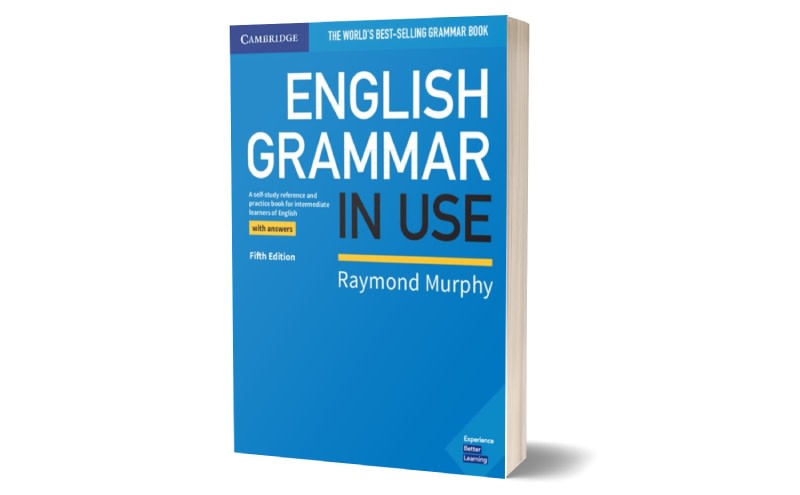
Grammar In Use book helps practice grammar for beginners
>>>You will need: Top 10 IELTS grammar books from basic to advanced for all levels
1.2. Pronunciation
Pronunciation is an extremely important factor, especially for the Listening and Speaking tests. 3 methods to learn standard pronunciation:
First, you need to master the 44 sounds in the IPA chart. Like the alphabet in Vietnamese, this is the alphabet in English. When you know how to pronounce these sounds, you can completely spell English.
Second, a way to practice IELTS listening for beginners is to always listen and imitate as well as observe others speaking frequently and continuously. A very important thing when practicing pronunciation is to always pay attention to the mouth shape. The mouth shape will determine whether you pronounce correctly or incorrectly, the more similar your mouth shape is to native speakers, the more similar your sound will be to theirs.
See more: What is the Shadowing method? Is it effective in Speaking?
Third, pay attention to intonation such as stress, linking sounds, and sound changes. This not only helps you speak more fluently and naturally but also makes it easier for you when taking the IELTS Listening test due to familiarity with native speakers' intonation.
Learning pronunciation is a quite difficult stage, especially for beginners. You can self-study on YouTube, some English learning apps, study at centers or refer to some pronunciation practice materials for beginners such as: New English 900, British accents: English Pronunciation in Use, American Accents: American Accent Training,...
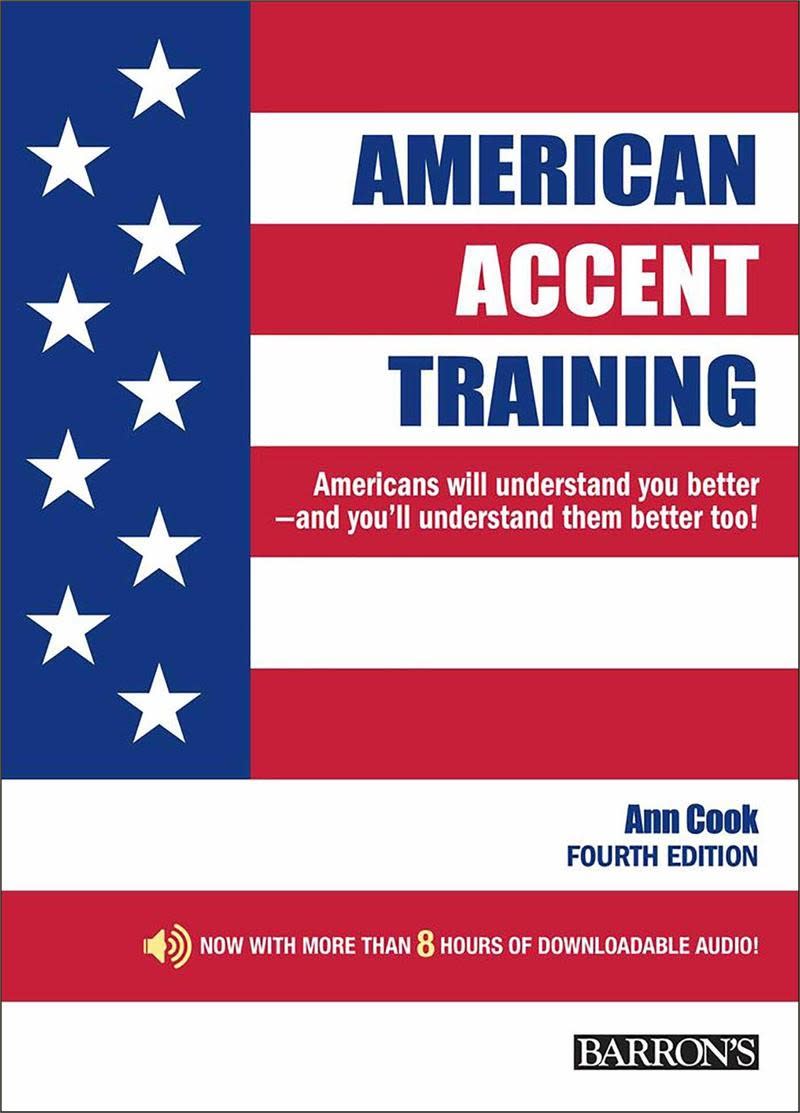
American Accent Training guide for IELTS Listening beginners
1.3. Vocabulary
Learning English means you have to learn both language and meaning. With vocabulary, you can understand the meaning of conversations and listening passages in the IELTS test.
Methods for learning vocabulary:
Always improve your vocabulary through each listening exercise, reading passage, article, etc., and create a habit of reviewing regularly and consistently.
Use flashcards with images or your own designs to make it easier to remember and retain for longer. Or you can also learn by topic, making sentences with each word will also help you reduce boredom when learning vocabulary.
IELTS listening practice materials for beginners to review vocabulary that you can refer to:
The New Oxford Picture Dictionary: This is an Oxford dictionary designed by topic with colorful images for young learners. Therefore, The New Oxford Picture Dictionary is very suitable for beginners.
English vocabulary: This is a book series for all types of learners from basic to advanced. The series includes words and phrases on different topics, along with illustrations to help learners understand the meaning and usage of vocabulary. There are also exercises for learners to practice.
Vocabulary Everyday Living Words: The book provides you with vocabulary commonly encountered in daily life and communication. However, this book series does not have a pronunciation section for the words, so you should combine learning pronunciation with the Oxford dictionary for better results.
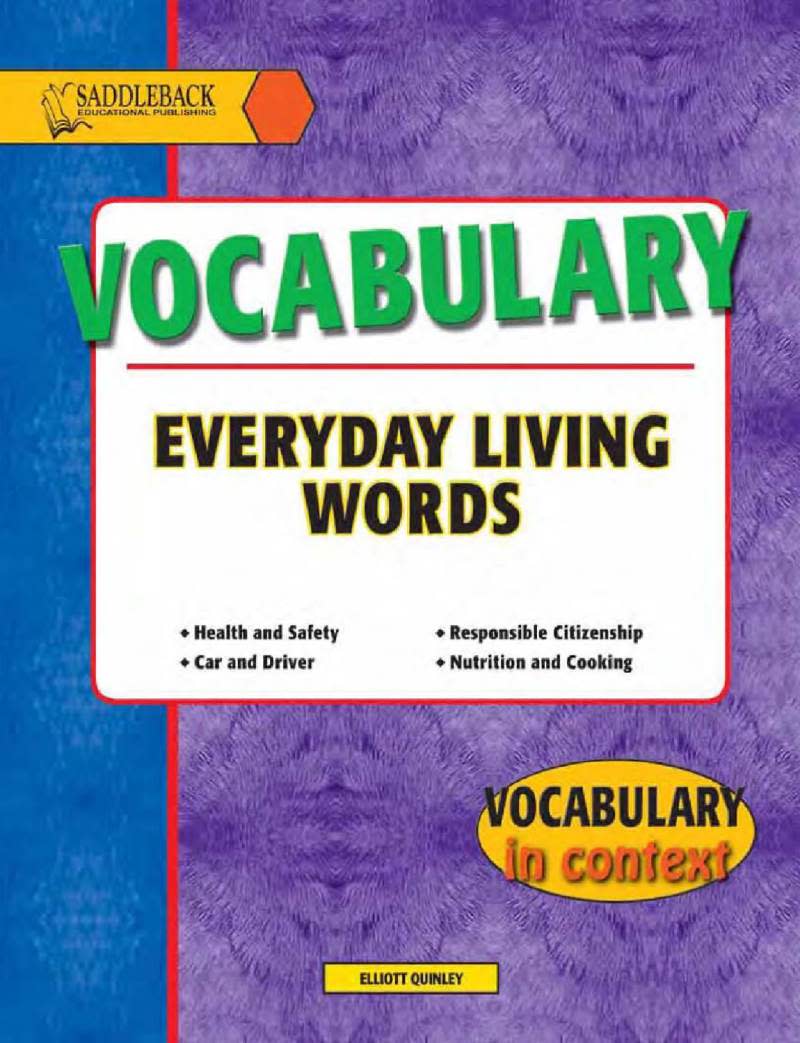
Vocabulary Everyday Living Words book
See more:
2. Familiarize yourself with and practice each type of question
Các dạng câu hỏi thường gặp trong bài nghe IELTS có thể kể đến như Completion, Short Answers, Multiple Choice, Matching,...
2.1. Completion
Trên lộ trình luyện nghe IELTS cho người mới bắt đầu, bạn cần chú ý đến dạng câu hỏi Completion. Dạng câu hỏi này yêu cầu bạn hoàn thành những chỗ còn thiếu trong một biểu mẫu về thông tin của một cá nhân hay tổ chức nào đó thông qua cuộc hội thoại giữa 2 người. Câu trả lời có thể bằng số hoặc bằng chữ. Dạng câu hỏi này thường xuyên xuất hiện trong phần thi IELTS Listening.
Cách làm dạng câu hỏi Completion:
Bước 1: Xác định rõ yêu cầu của đề là cần điền bao nhiêu từ vào chỗ trống, bởi nếu bạn điều thừa là sẽ bị mất điểm.
Bước 2: Đọc tiêu đề của form sẽ giúp các bạn có cái nhìn tổng quát hơn về bài nghe. Bên cạnh đó hãy lướt một lượt bài nghe để có thể dự đoán được những từ cần điền, từ loại, số hay chữ.
Bước 3: Tập trung nghe và điền từ.
Các ‘Tips - Tricks” để làm dạng câu hỏi Completion:
Đôi khi sẽ có 2 câu trả lời liền bên cạnh nhau làm các bạn không kịp phản ứng, do đó hãy luôn nắm được thông tin của 2 câu một lúc, nếu không sẽ rất dễ bị bỏ lỡ câu sau.
Nếu có những đáp án quá dài, bạn có thể viết tắt rồi điền đầy đủ câu trả lời ra giấy sau để tránh bỏ lỡ mất câu sau.
Dạng câu hỏi Completion cũng thường có khá nhiều bẫy. Vì vậy hãy nghe thật kỹ câu trả lời rồi mới nên điền. Ví dụ trong câu hỏi Yes/ No Question, đừng chỉ tin keywords mà hãy đợi người đối thoại xác nhận lại xem thông tin có đúng không, nếu sai họ sẽ sửa lại ngay sau đó.
Hãy luôn cẩn trọng trong việc nghe chữ và số. Ví dụ như cặp số Five - Nice, P và B, A và R,...
Đôi khi đáp án không phải là từ bạn nghe được mà lại là từ đồng nghĩa của nó. Vì vậy hãy luôn trau dồi và ôn luyện thật kỹ vốn từ vựng của mình nhé.
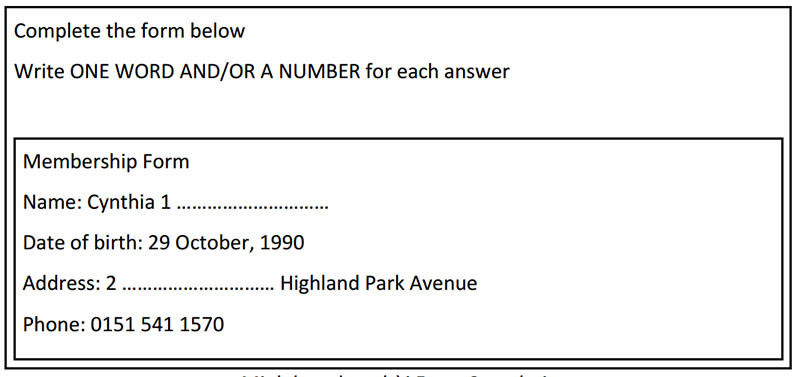
Dạng câu hỏi Completion
2.2. Short Answers
Short Answers là dạng câu hỏi điền đáp án chính xác cho câu hỏi Who, What, Why, How, When, Where. Dạng câu hỏi này sẽ xuất hiện ít hơn Completion, nhưng cũng cần phải lưu ý trong lộ trình luyện nghe IELTS cho người mới bắt đầu.
Cách làm dạng bài Short Answers:
Bước 1: Xác định yêu cầu của đề bài để biết được phép viết bao nhiêu từ cho câu trả lời.
Bước 2: Xác định chủ đề của bài nghe để nắm được bao quát nội dung mà bài nghe muốn truyền đạt.
Bước 3: Gạch chân Keywords và từ để hỏi trong câu hỏi. Nếu có thể các bạn nên dự đoán câu trả lời.
Bước 4: Nghe và điền đáp án.
Các “Tips - Tricks” để làm dạng câu hỏi Short Answers:
Hãy luôn chú ý đến ngữ pháp đối với những câu trả lời dài để không bị mất điểm.
Ghi Keywords bạn nghe được ra ngoài trước nếu không đủ thời gian, tránh bỏ lỡ những câu sau.
Hãy chú ý đến những “bẫy” trong bài. Ví dụ như trong câu hỏi “What is the best book?”, người nói có thể đưa ra nhiều loại sách, tên sách khác nhau nhưng đáp án chỉ có một. Vì vậy bạn nên nghe kỹ và liệt kê tóm tắt những điều trong bài nghe nhắc tới ra nháp trước.
Nghe được gì thì điền nấy, không tự sáng tạo ra những từ mới.
Chú ý đến những từ đồng nghĩa của Keywords trong câu hỏi, bởi có thể câu hỏi có từ đó nhưng câu trả lời lại dùng từ đồng nghĩa.
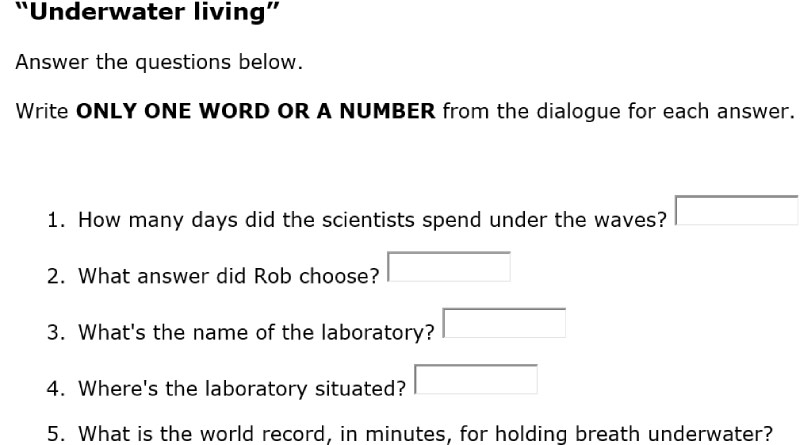
Dạng câu hỏi Short Answers chỉ điền một chữ hoặc một số
2.3. Multiple Choices
Multiple Choice Listening IELTS là dạng câu hỏi trắc nghiệm có thể chọn một hoặc nhiều đáp án chính xác. Trong quá trình luyện nghe IELTS cho người mới bắt đầu, bạn có thể follow 4 bước sau để chinh phục dạng câu hỏi này:
Bước 1: Xác định yêu cầu của đề là cần chọn một hay nhiều đáp án. Nếu chọn một đáp án chính xác thì câu hỏi sẽ có ba lựa chọn. Nếu chọn từ hai đáp án trở lên thì thông thường sẽ có 5-6 lựa chọn.
Bước 2: Đọc kỹ tiêu đề và câu hỏi để xác định được chủ đề, ngữ cảnh chính, và gạch chân các Keyword, từ để hỏi trong câu hỏi.
Bước 3: Tìm điểm khác biệt giữa các câu trả lời thông qua các Keyword ở các lựa chọn. Điều đó sẽ giúp bạn loại trừ nhanh nhất được những đáp án không chính xác. Còn đối với những câu hỏi cần điền từ vào chỗ trống, bạn nên xác định từ loại, loại thông tin như đồ ăn, khoảng cách, nơi chốn,.. của từ còn thiếu, sau đó gạch chân những thông tin quan trọng đó ở các lựa chọn.
Bước 4: Nghe và chọn đáp án chính xác.
Các “Tips, Tricks” để làm dạng câu hỏi Multiple Choice:
Các bẫy sẽ thường xuyên xuất hiện trong dạng câu hỏi này. Ví dụ như trong bài nghe sẽ xuất hiện tất cả các lựa chọn nhưng chỉ có một đáp án chính xác. Vì vậy Keyword đầu tiên mà bạn nghe được chưa chắc đã là đáp án đúng.
Đôi khi câu trả lời sẽ được diễn giải lại theo một cách khác chứ không hoàn toàn giống Keywords của các lựa chọn. Vì vậy hãy chú ý học thêm cả những từ đồng nghĩa nữa nhé.
Cách xuất hiện của các lựa chọn có thể sẽ không theo thứ tự A, B, C,... Vì vậy đòi hỏi người thi phải năm được bao quát tất cả các đáp án để tránh bỏ sót bất cứ thông tin nào.
Hãy đánh dấu lại những lựa chọn mà bạn đang phân vân.
Không nên dành quá nhiều thời gian cho một câu hỏi mà bỏ lỡ những câu phía sau vì trong bài thi IELTS Listening các bạn chỉ được nghe một lần duy nhất.
Nếu không nghe được cũng hãy chọn một đáp án bất kỳ nhé.
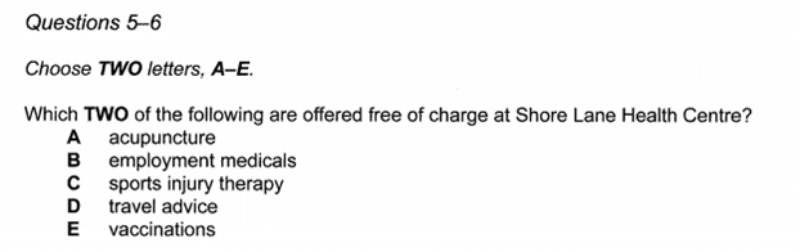
Dạng câu hỏi Multiple Choice chọn nhiều đáp án
2.4. Matching
Matching là một dạng câu hỏi “nối từ” khá khó với sự xuất hiện của rất nhiều bẫy. Phương pháp luyện nghe IELTS cho người mới bắt đầu, giúp chinh phục dạng bài tập Matching:
Bước 1: Xác định rõ yêu cầu của đề để biết số lượng đáp án cần nối cho mỗi câu. Có thể một câu hỏi nối với một đáp án, hoặc một câu hỏi nối với nhiều hơn một đáp án.
Bước 2: Xác định và gạch chân các Keyword ở cả câu hỏi và câu trả lời để ghi nhớ bao quát về những thứ các bạn cần phải nghe. Bên cạnh đó, hãy tìm thêm cả từ đồng nghĩa của các Keyword đó bởi không phải tất cả các Keyword đều xuất hiện trong bài đọc.
Bước 3: Nghe và nối các câu hỏi với lựa chọn đúng.
Các Tips, Tricks để làm dạng câu hỏi Matching:
Ở trong dạng bài này thì các câu hỏi sẽ được đọc theo thứ tự. Vì vậy, nếu như lỡ bỏ sót một câu thì các bạn nên bỏ qua câu đó và tiếp tục làm câu tiếp theo. Và đến cuối, sau khi loại trừ được các đáp án đã chọn, bạn có thể suy luận và làm nốt các câu hỏi vừa bỏ lỡ.
Nếu có thể các nên dự đoán đáp án trước khi nghe. Điều này sẽ giúp bạn lựa chọn dễ dàng hơn và phần nào loại bỏ được các đáp án gây nhiễu.
Hãy cố gắng đọc và xác định được toàn bộ các Keyword, bao quát toàn bộ các lựa chọn trước khi nghe bởi khác với câu hỏi thì các lựa chọn sẽ không được xuất hiện theo thứ tự.
Đừng bỏ trống bất kỳ câu hỏi nào, hãy loại trừ và lựa chọn những câu hỏi chưa làm được ở cuối bài.
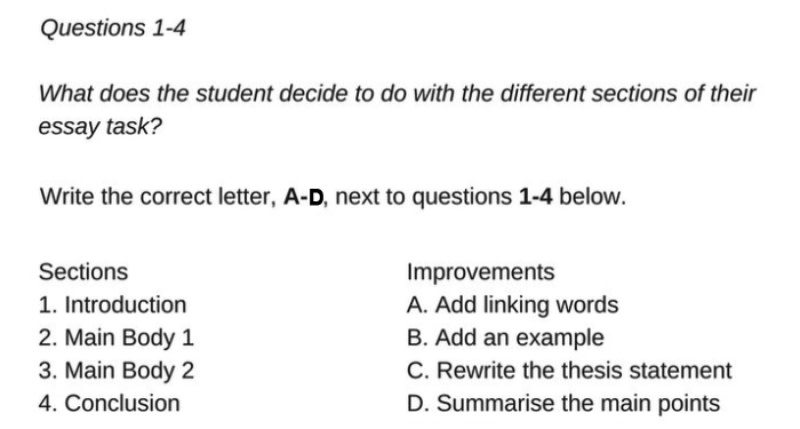
Dạng câu hỏi Matching một câu hỏi nối với một đáp án
3. IELTS Listening Practice Methods for Beginners
To make the IELTS listening practice routine more effective for beginners, you can practice the following skills:
3.1. Practice Take Note Listening
This is a method of listening and systematically and logically recording a summary of the information heard. When you read back these keywords, you will understand the general content that the listening passage wants to convey and use that information.
How to implement the Take Note listening method:
First, learn how to abbreviate so you can write as quickly as possible to keep up with the pace of the audio. You can refer to other people's abbreviations or create your own.
Second, to avoid unnecessary time waste, you should only write down the most important words such as time, place, main keywords... In addition to using abbreviations, you can also use images, diagrams,... and maximize the use of your native language to help you be much faster.
Third, arrange the information scientifically, avoiding confusion between pieces of information. You should write each piece of heard information on a separate line.
Fourth, always practice regularly every day to create unconditional reflexes for yourself: eyes see, ears hear, hands write.
Benefits that the Take Note listening method brings:
The Take Note listening method will help you take notes faster, grasp important information systematically while still understanding what the speaker is trying to convey. Take Note is not only applied in English but also suitable for many things in life such as classroom learning, discussions with clients,... Regular practice will help you form the habit of taking notes quickly and effectively.
Take Note will help you increase your concentration ability as you have to listen and filter out important things at the same time.
Additionally, the Take Note method will help you remember longer because once you write, you remember.
3.2. Practice Listening Dictation

Listening dictation is a very effective IELTS listening practice method for beginners
Contrary to the Take Note listening method, Dictation listening practice involves listening to conversations, monologues, audio and writing them down as detailed and completely as possible.
6 steps of theIELTS listening dictationmethod:
First, choose a suitable, quiet space to focus on studying. Then select an audio that's at your level. For beginners, you should start with basic ones, with clear pronunciation and slow speech to avoid discouragement.
Step 2: Listen to the audio once to identify the listening passage, then listen a second time and write down all the words you hear on paper.
Step 3: Listen to the audio a third time and turn on English subtitles to check what you heard, and remember to note down the words you got wrong.
Step 4: Turn off the English subtitles and listen repeatedly until you can hear everything and there are no more errors.
Step 5: Turn on the speed to x1.25, x1.5 to get used to faster paces.
Step 6: After you've been able to listen to the entire audio at a faster speed, find another more difficult listening passage to continue learning.
Benefits of the Dictation listening method:
It's certain that regular practice of this method will help you improve your listening skills.
Not only improving Listening skills, dictation also enhances other skills. Because when you listen a lot, you will imitate the pronunciation and rhythm of native speakers, thereby increasing your Speaking skills. Moreover, vocabulary will also be regularly enriched through listening exercises, and remembered for longer. Therefore, it will also greatly reinforce your Writing and Reading test sections.
It also helps you enhance your concentration ability as you have to listen carefully and write down each word accurately.
This method can be entirely self-taught without the need for any instructor or support person.
4. Revealing IELTS listening practice materials for beginners
4.1. IELTS Listening Practice Books
You can refer to the following 4 books:
Cambridge IELTS (7-14): This is a book series suitable for all levels, including sets of questions that closely follow the structure of the actual exam and are highly up-to-date. Therefore, this book series will help you become familiar with the official IELTS test.
Basic IELTS Listening: This is a book designed for those who are just starting to learn IELTS or have only basic knowledge. The book includes audio files and answers so learners can test their own level.
Tactics For Listening Basic: Similar to Basic IELTS Listening, this is also a book containing basic knowledge with slow, easy-to-listen audio files for beginners.
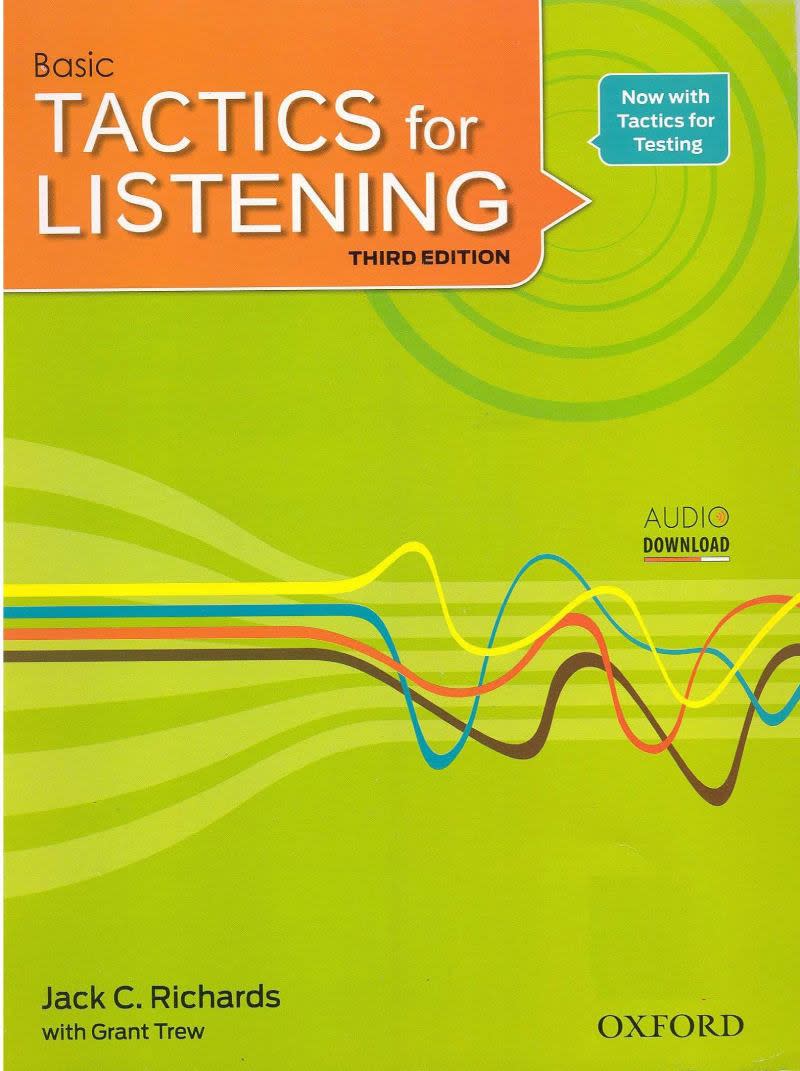
Tactics For Listening Basic is a very effective IELTS Listening practice book for beginners
4.2. IELTS Listening Practice Websites
Some websites that support the process of practicing IELTS English listening for beginners:
IELTS ONLINE TEST: This is a completely free IELTS Online mock test website with practice tests closely resembling the actual exam.
LISTEN A MINUTE: This site compiles listening exercises divided into various topics, but each is only one minute long, so it doesn't tire learners.
STORY NORY: Includes listening materials that are fairy tales, poems, etc., creating interest and avoiding boredom for learners. The audio is also quite easy to listen to, so it's very suitable for those who want to start over with English.
IELTS by IDP: developed by IDP - co-founder and organizer of IELTS exams in Vietnam. Through this learning app, you will better understand and gradually become familiar with the actual exam through free mock tests.
5. 6 tips to help candidates achieve high IELTS Listening scores
To quickly achieve your desired band score, make sure to save these 6 tips right away:
Form a habit of listening to English whenever and wherever possible through songs, movies, podcasts, etc.
Relate everything in life to English, make English a language of your own, create a love for English which will help you have more motivation to learn.
Set up a scientific and reasonable study plan, practice regularly every day, avoid overlapping subjects, or studying only one skill which can easily cause boredom.
During the exam, while waiting, you need to skim to identify the Keywords to avoid missing the correct answers due to not keeping up with the pace of the listening. If possible, you should predict the answers in advance to easily eliminate misleading options in the test.
Focus all your attention on the listening to not miss the main points in the passage.
Encourage understanding the entire passage instead of listening for keywords when practicing. This will help you reinforce other skills and your vocabulary.
In conclusion, Listening is a very difficult skill, requiring perseverance and determination from learners, especially for beginners in English. Hopefully, these methods ofIELTS listening practice for beginners above will help you strengthen your Listening skills.